
CESGA and IGFAE play a key role in HADRON-2030, an ambitious European project to investigate the strong force
49 organisations from 15 countries join forces to share experimental facilities, theoretical resources and quantum computing technologies, with the aim of gaining a better understanding of one of the pillars of the Standard Model.
The Galicia Supercomputing Centre (CESGA) and the Galician Institute of High Energy Physics (IGFAE) will play a key role in HADRON-2030, a European initiative that brings together experimental and computational knowledge and capabilities in the field of the strong interaction, one of the pillars of the Standard Model of particle physics.
The project, coordinated by the French CNRS, brings together 49 beneficiary organisations from 15 countries, supported by a further 86 participating institutions. Its main goal is to open the network’s infrastructures to researchers, who will be able to access facilities such as CERN, GSI/FAIR or GANIL and choose the most suitable site for each piece of research.
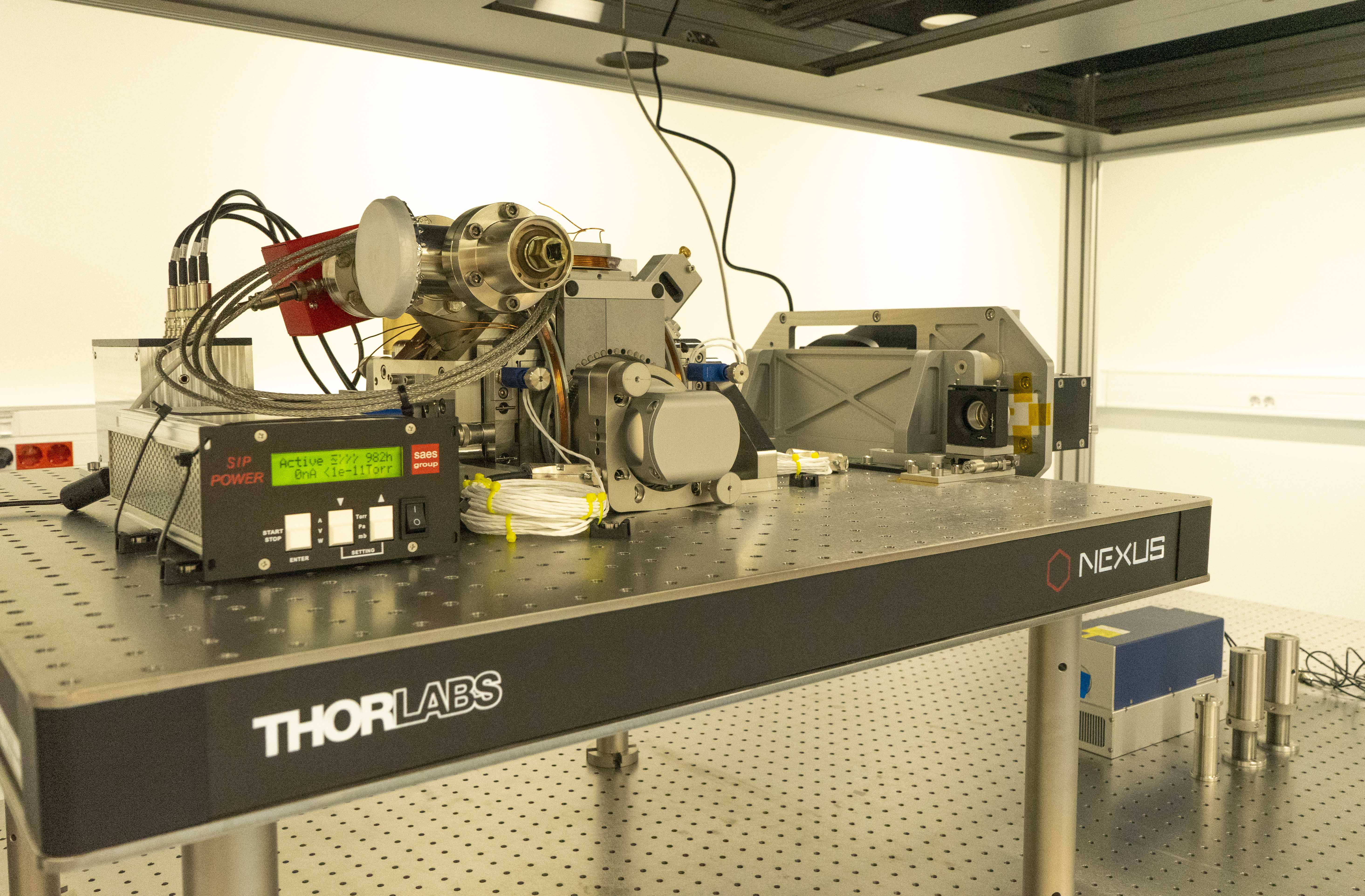
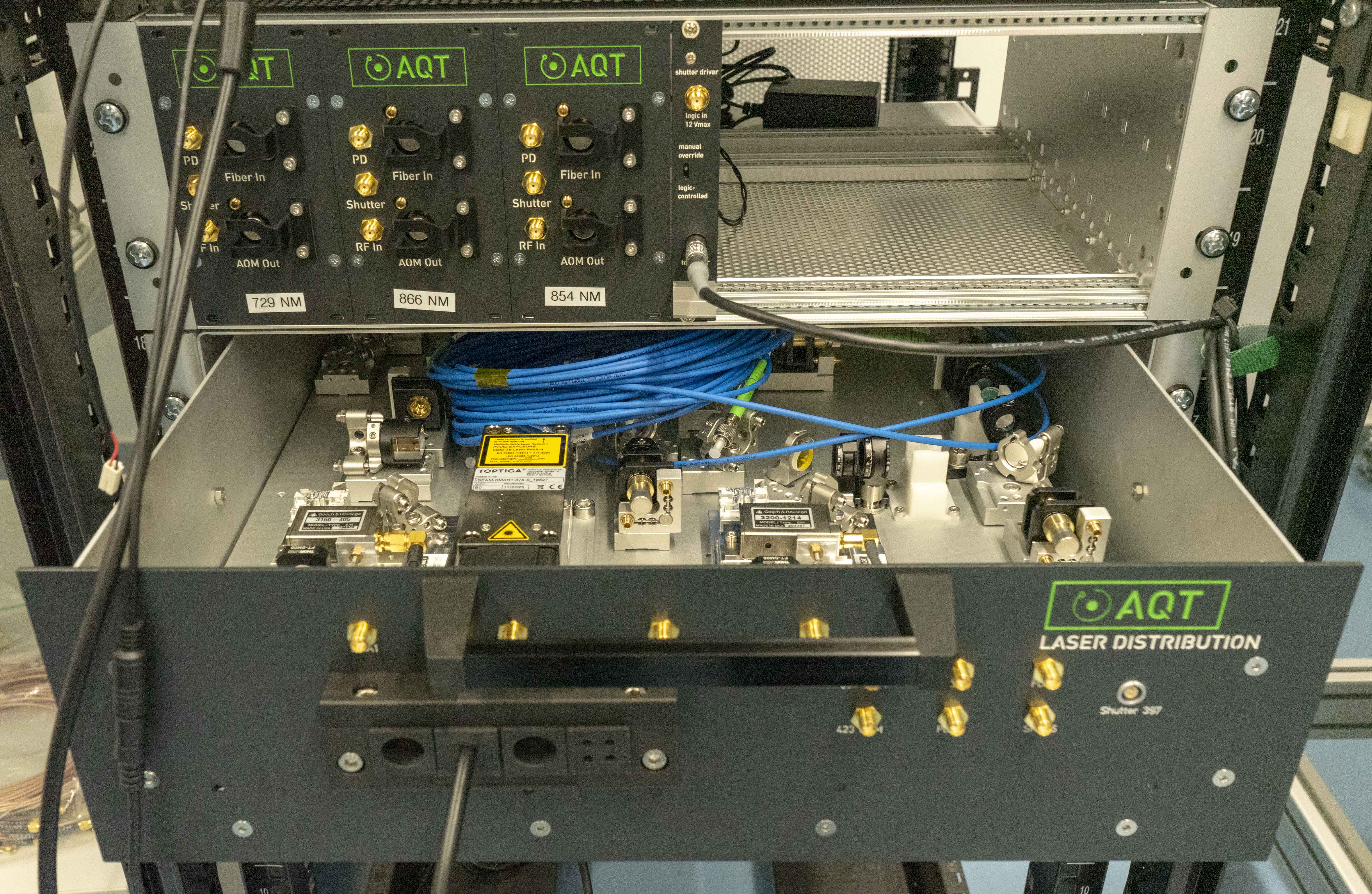
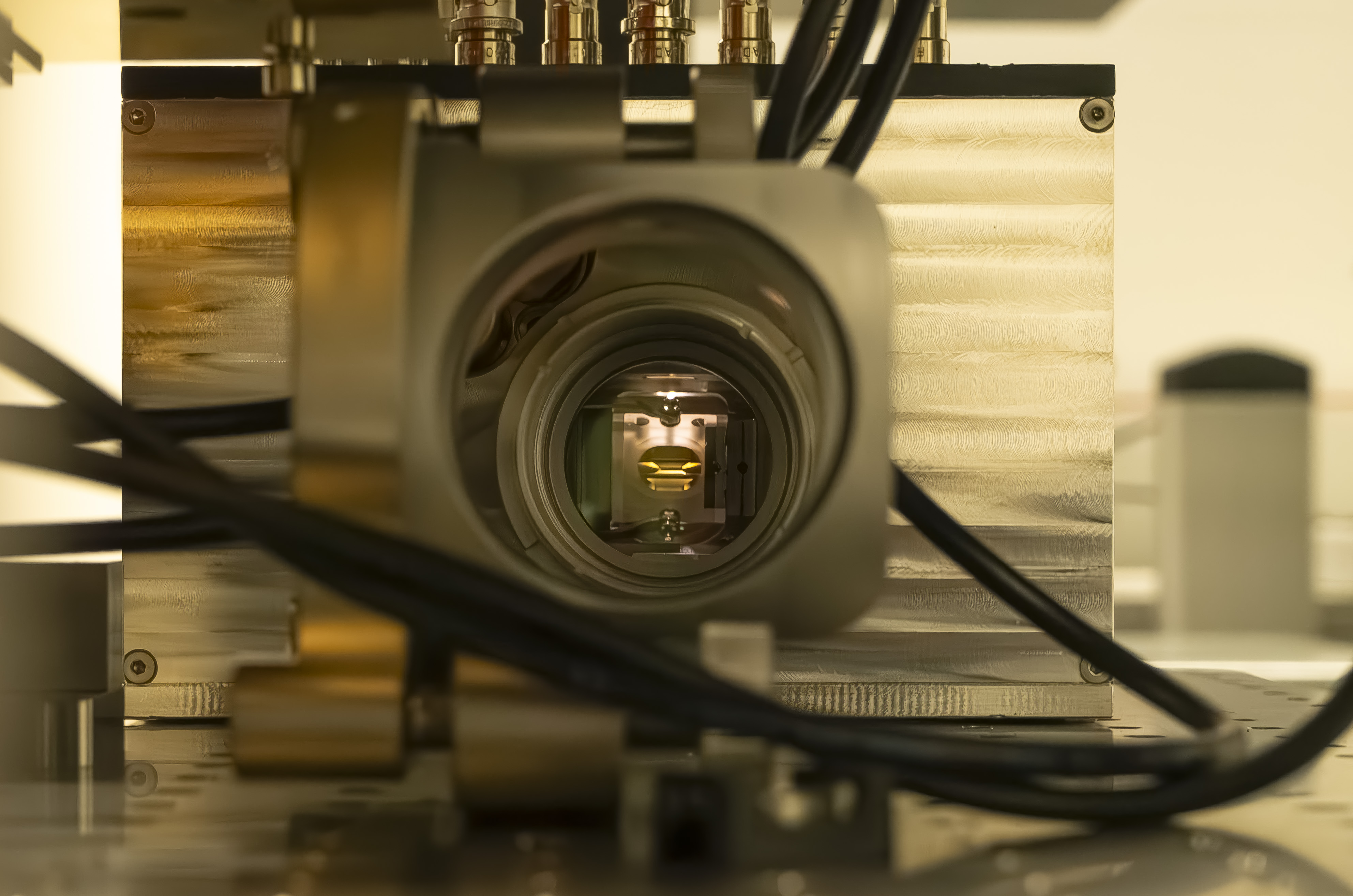
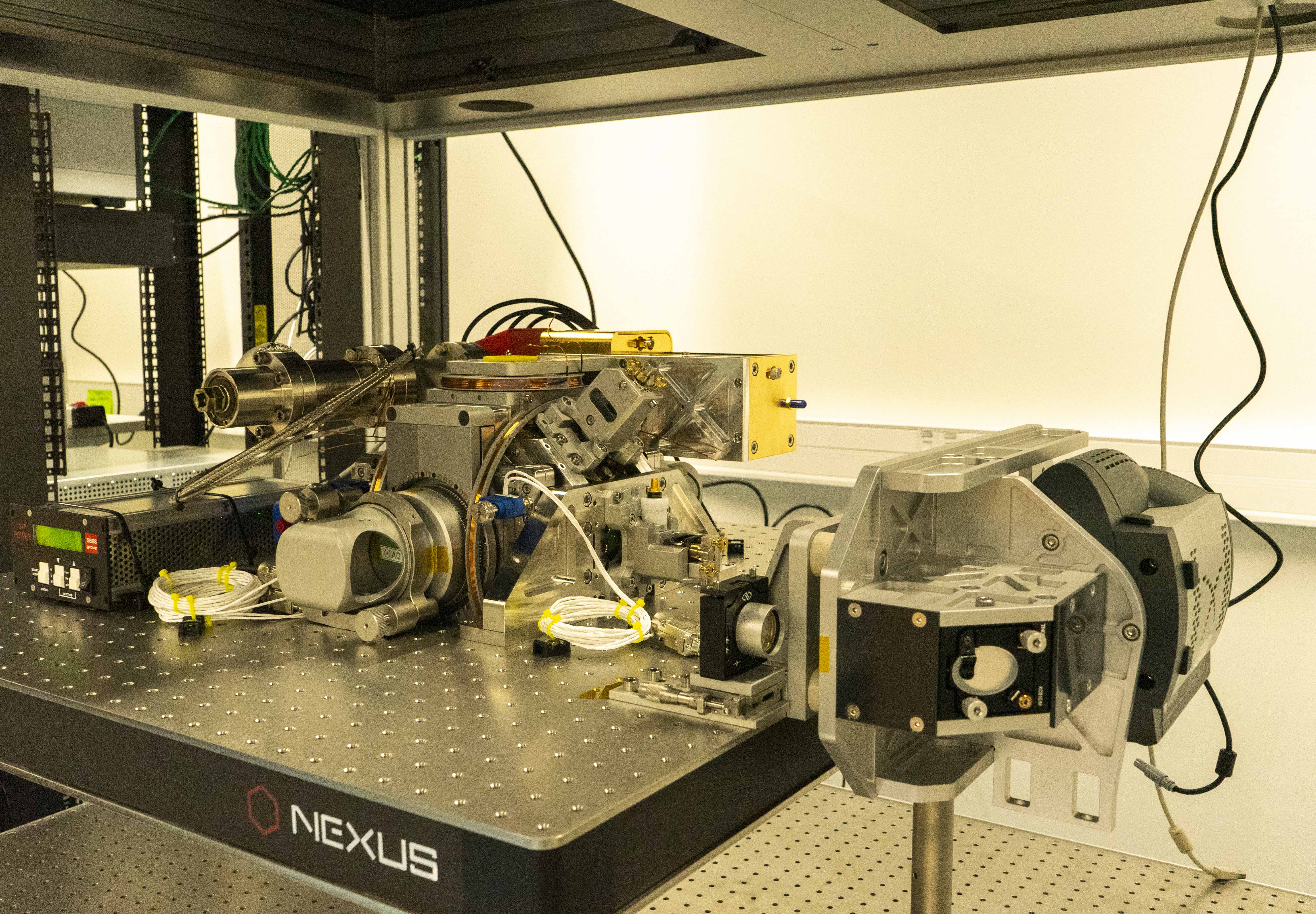
Galicia will contribute its quantum computing and analogue simulation resources through the IGFAE-CESGA Quantum Computing Lab, offering remote access to CESGA’s quantum computer and quantum emulation resources, as well as to IGFAE’s analogue quantum simulator, currently a unique facility in Spain.
HADRON-2030 also includes training for PhD students, postdoctoral researchers, engineers and technical staff. It is funded by the European Union’s Horizon Europe programme under Grant Agreement No. 101292522.
More info: https://igfae.usc.es/igfae/hadron-2030/